
Worship & Music
Service Times
Sunday Mornings
- 8 a.m. Low Mass
- 9 a.m. Morning Prayer
- 10:15 a.m. Choral High Mass
- 12:15 p.m. La Santa Misa
Wednesday Evenings
- 5:00 p.m. Rosary
- 5:30 p.m. Wednesday Weekday Mass
How We Worship
The Episcopal Church is distinguished by worship that is rooted in tradition but not bound by it. Our ancient faith, our being a part of the “one holy, catholic and apostolic church,” and our ties to the historic See of Canterbury ground our worship in an intellectually robust faith tradition that is both broad and deep.
Sunday is traditionally when Episcopalians gather for worship. The principal weekly worship service is the Holy Eucharist — also known as the Holy Mass, the Lord’s Supper, or Holy Communion. In most Episcopal churches, worship is accompanied by the singing of hymns, and in some churches much of the service is sung.
Worship Styles
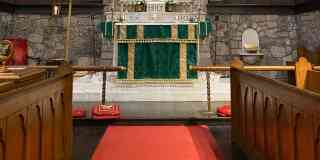
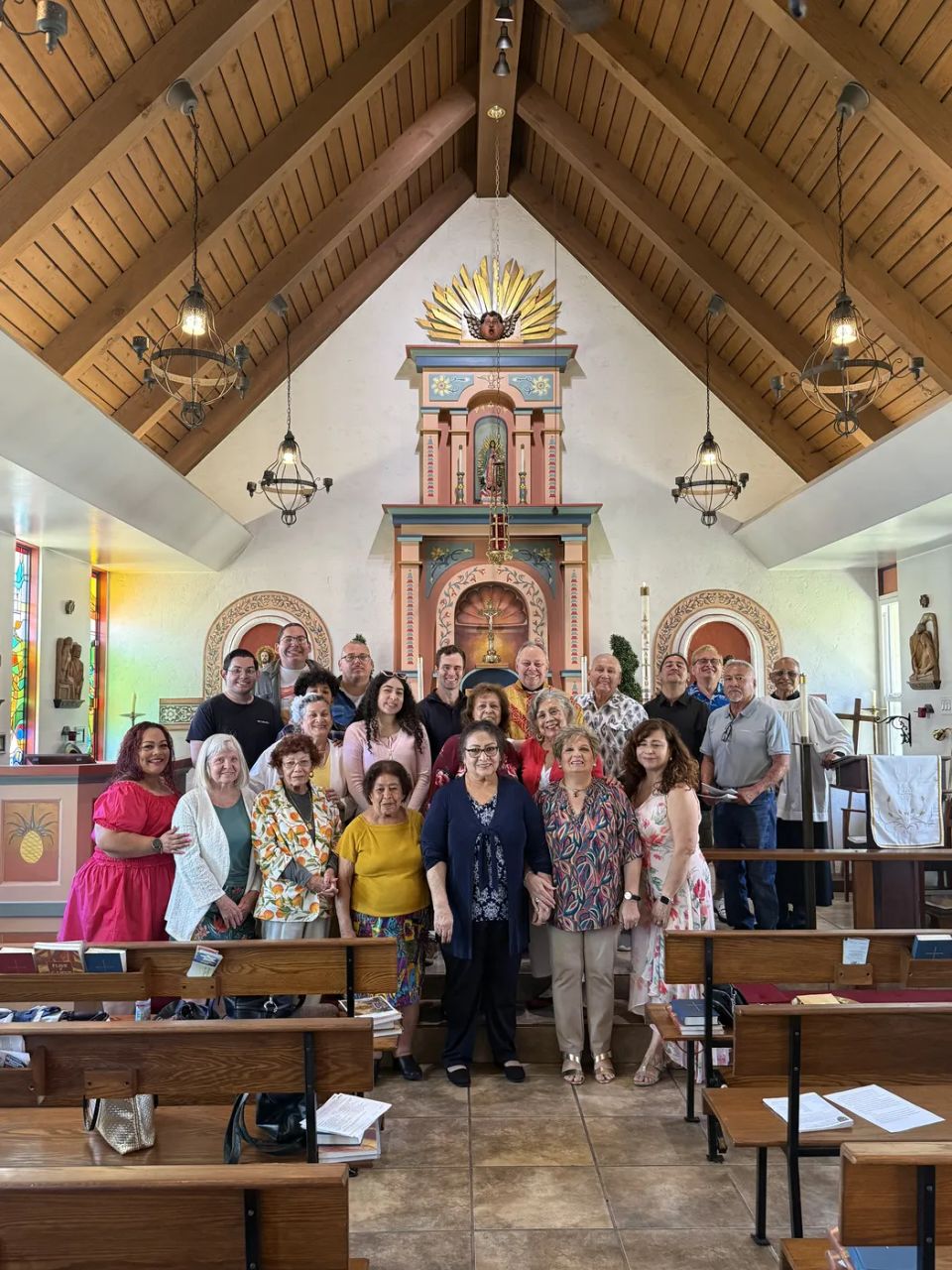
Episcopalians worship in many different styles, ranging from very formal, ancient, and multi-sensory rites with lots of singing, music, vestments, and incense, to informal services with contemporary music. Holy Trinity Church has historically been part of what is called the “High Church” tradition within Anglicanism, which places great emphasis on liturgy and the sacraments, especially the frequent celebration of the Holy Eucharist. We use traditional vestments and incense; value the three traditional orders of ministry (deacon, priest, and bishop) and the importance of apostolic succession; and we cherish Mary the mother of Jesus (Theotokos), who has been the object of veneration in the church since the apostolic age.
Yet all worship in the Episcopal Church is essentially the same, and has its roots in the prayers of the earliest Christians. The particular words and prayers used in our church are set down in The Book of Common Prayer.
Liturgy and Ritual
Worship in the Episcopal Church is said to be “liturgical,” meaning that the congregation follows service forms and prays from texts that don’t change greatly from week to week during a season of the year. This sameness gives worship a rhythm that becomes comforting and familiar to the worshipers.
For the first-time visitor, liturgy may be exhilarating… or confusing. Services may involve standing, sitting, kneeling, and sung or spoken responses. But liturgical worship can be compared with a dance: once you learn the steps, you come to appreciate the rhythm, and it becomes satisfying to dance, again and again, as the music changes.
The Liturgy of the Word
Holy Eucharist always has the same shape. We begin by praising God through song and prayer, and then listen to as many as four readings from the Bible, read through a system called a lectionary — usually one from the Old Testament, a Psalm, something from the Epistles, and always a reading from the Gospels. A sermon interpreting the readings is preached, the congregation recites the Nicene Creed, and we pray together for the Church, the world, and those in need. In certain seasons we confess our sins before God and one another, followed by a pronouncement of absolution, and then greet one another with a sign of peace.
The Liturgy of the Table
The priest stands at the altar, set with a cup of wine and a plate of bread, and begins the Eucharistic Prayer, in which we hear the story of our faith — from Creation, through the choosing of Israel, to the coming of Jesus Christ and the night before his death, on which he instituted the Eucharistic meal as a continual remembrance of him. The presider blesses the bread and wine, we recite the Lord’s Prayer, and the bread is broken and offered as the “gifts of God for the people of God.”
All Are Welcome
All baptized Christians — no matter age or denomination — are welcome to receive communion. Episcopalians invite all baptized people to receive, not because we take the Eucharist lightly, but because we take our baptism so seriously. Visitors who are not baptized Christians are welcome to come forward during Communion to receive a blessing from the presider. At the end of the Eucharist, the congregation prays once more in thanksgiving, and then is dismissed to continue the life of service to God and to the world.
— Summary on how we worship, courtesy of The Episcopal Church and edited for our local context in the Diocese of Los Angeles.